What to Know About Protecting Your Roof with a Coating
@roofcoatingworld
November 10, 2026 · 7 min read
Why Roof Coatings Matter for Homeowners in Northern Florida
Your roof works hard all year. It takes the full force of the sun, wind, and rain, and in Florida the sun is especially intense. Over time, even a well-built roof shows wear. Cracks form, granules come loose, and surfaces become porous. A protective coating can slow that process and keep your roof performing longer. But not every coating is the same, and the right choice depends on your roof type, your local weather, and what you want the coating to do.
This article covers the main types of roof coatings, how they work, what to look for when considering one, and what steps matter before you apply anything. The goal is to give you a clear picture so you can talk with a professional and make an informed decision.
What Is a Roof Coating?
A roof coating is a liquid applied to the surface of an existing roof. It dries to form a seamless, flexible membrane. Unlike a new roof covering that replaces old material, a coating goes over what is already there. It bonds to the surface and adds a layer of protection. Some coatings are designed to reflect sunlight, others to seal small cracks, and still others to resist chemical damage from ponding water or debris.
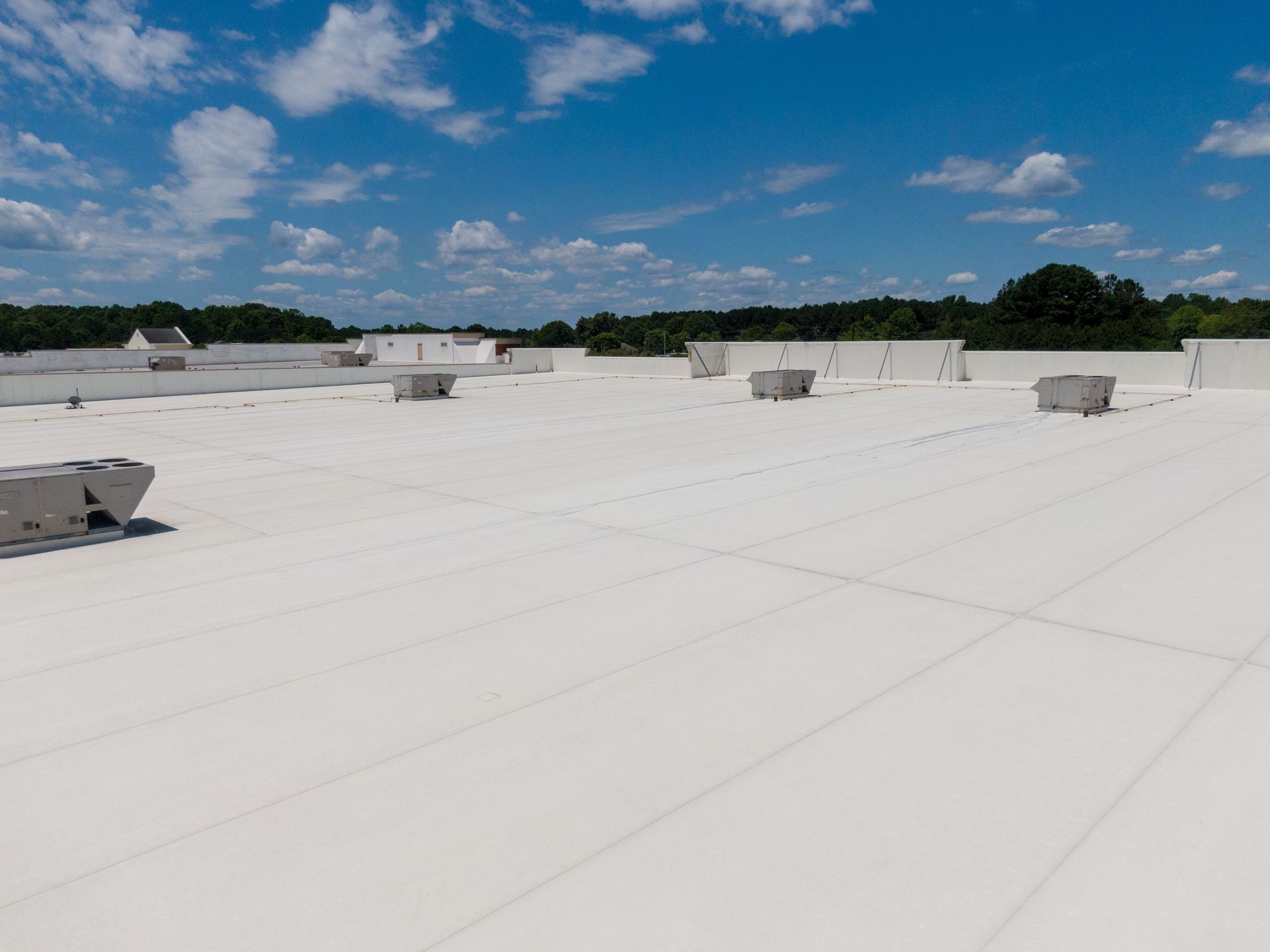
Coatings are common on flat or low-slope roofs, especially those made of metal, single-ply membranes, or built-up asphalt. They can also be used on some sloped roofs, but the type of coating and the preparation needed will differ. In Northern Florida, where summer storms and high humidity are part of life, the extra barrier a coating provides can be especially valuable.
Main Types of Roof Coatings
Understanding the differences between the most common types helps you narrow down what fits your situation. Here are the main options:
Acrylic Roof Coatings
Acrylic coatings are water-based and popular for their ease of use and low odor. They cure relatively fast and offer good reflectivity, which helps keep buildings cooler in hot weather. Acrylic coatings are often used on metal roofs and some single-ply membranes. They are not as durable in standing water, so they work best on roofs that drain well.
Silicone Roof Coatings
Silicone coatings are more flexible and resist moisture better than acrylics. They bond well to many surfaces and stay pliable in extreme temperatures. A silicone coating can handle ponding water better than other types, which matters for flat roofs that may not drain completely. The trade-off is that silicone coatings can be more expensive and sometimes harder to apply evenly.
Elastomeric Coatings
Elastomeric coatings are thick, rubbery membranes that stretch and contract with the roof. They are excellent at bridging small cracks and moving with the building as it settles or expands. An elastomeric coating is a good choice for roofs that experience significant temperature swings or have minor surface cracking. They are available in both acrylic and silicone bases, so you can choose the formulation that matches your roof material.
What a Roof Coating Can and Cannot Do
A good coating extends the life of a roof that is already in decent shape. It seals small cracks, reduces UV damage, and can improve energy efficiency by reflecting heat. But a coating is not a fix for a roof that is already failing. If the underlying roofing material is saturated with water, rotted, or has large gaps, a coating will not hold. You need to address those problems first. That means repairing damaged sections, replacing missing shingles or membrane, and ensuring the roof surface is clean and dry before any coating goes on.
Another thing to keep in mind: no coating lasts forever. Most high-quality coatings need a fresh coat every five to ten years, depending on the product and the conditions. In Florida, where UV exposure is strong, the lifespan may lean toward the shorter end. Regular inspections and maintenance still matter after a coating is applied.
Key Considerations Before Applying a Coating
Before you decide on any product, here are the factors that matter most:
- Roof condition. The surface must be sound, clean, and free of loose debris. Any deteriorated areas need repair first. A coating applied over a dirty or damaged roof will peel or bubble.
- Weather at application time. Most coatings need dry conditions and moderate temperatures to cure properly. In Northern Florida, that often means applying in spring or fall when rain is less frequent and temperatures are not extreme.
- Compatibility with existing material. Not every coating sticks to every roof surface. Check the manufacturer's guidelines for your specific roofing type. Some coatings require a primer or a special cleaning step.
- Slope and drainage. Flat roofs with poor drainage can hold water for days. If you choose a coating that is not meant for ponding water, it will fail quickly. Silicone or thick elastomeric coatings are better for those conditions.
- Professional vs. DIY. Roof coatings are not simple paint jobs. They require proper equipment, safety gear, and experience to apply evenly at the right thickness. A professional roofer who knows the local climate and building codes will do a more reliable job.
How a Coating Fits into a Roof Maintenance Plan
A coating is one part of a larger strategy for keeping a roof healthy. It works best when combined with regular inspections, prompt repairs of any damage, and good drainage. After a coating is applied, check it each season for blisters, cracks, or areas where the coating has worn thin. Catch small problems early, and the coating will do its job for years.
In Northern Florida, the combination of heat, humidity, and storms makes regular maintenance especially important. A coating can help a roof resist the effects of UV radiation and minor weather impacts, but it is not a substitute for a solid roof structure. If your roof has significant issues, repair or replacement comes first. Then a coating can be used as a protective finish.
Common Mistakes to Avoid
Applying a coating is not complicated, but skipping steps leads to problems. Here are pitfalls to watch for:
- Applying over a wet or dirty surface. The coating will not bond, and it will peel off quickly.
- Using the wrong type of coating for your roof material. Always confirm compatibility.
- Applying too thin a layer. Thickness matters for durability. Follow the manufacturer's coverage rate.
- Ignoring the weather forecast. Rain within 24 hours can ruin a fresh coat.
- Thinking a coating eliminates the need for other maintenance. It reduces it but does not remove it.
When to Call a Professional
Deciding whether to hire a contractor or do the work yourself depends on your comfort level and the size of the roof. For most homeowners, especially those with steep slopes or complex roof geometry, hiring a professional is the safer and more reliable option. A professional roofer will inspect the roof, recommend the right product, prepare the surface properly, and apply the coating according to the manufacturer's specs. They also know the local building codes and can ensure the work meets any requirements for your area. For Northern Florida, that includes knowing how to handle the specific challenges of a hot, humid climate.
The Bottom Line
A roof coating is a practical way to add years of life to a roof that is still in good condition. It protects against sun, rain, and minor wear, and it can improve energy efficiency by reflecting heat. But it is not a miracle product. It requires a sound base, proper preparation, and the right choice of material for your roof type and local weather. If you are considering a coating, start with a thorough roof inspection. Address any damage first. Then talk to a professional about which product fits your roof and your budget. With the right approach, a coating is a smart investment in your home's long-term protection.